
Travel Health Preparation in Winter: A Complete Guide for Safe International Travel
Winter is a wonderful time to travel, whether you are planning a festive city break, escaping to a warmer destination, visiting family overseas or enjoying a winter adventure. However, travelling during the colder months requires a little extra preparation to protect your health and make your journey more comfortable.
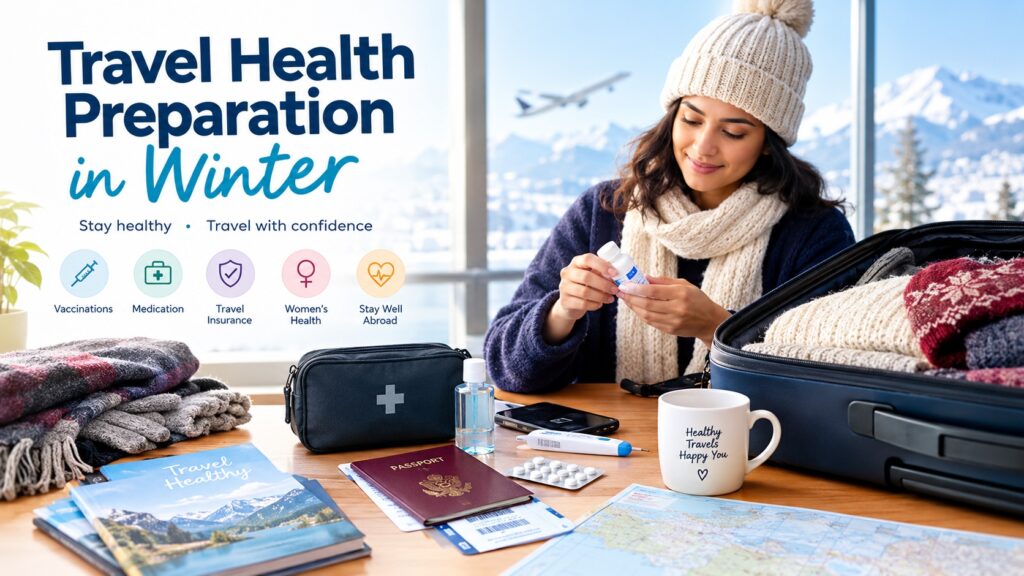
From seasonal illnesses and travel vaccinations to managing existing medical conditions, taking the right precautions before departure can help you enjoy your trip with greater peace of mind.
In this guide, MAAA Internationals explores essential winter travel health preparation tips, including what to pack, how to prepare for international travel and what women should consider before travelling.
Why Is Winter Travel Health Preparation Important?
Winter brings different health challenges depending on your destination. Cold weather can increase the risk of respiratory infections and aggravate certain existing health conditions. Meanwhile, travellers heading to tropical destinations may face different risks, including mosquito-borne diseases and unfamiliar infectious illnesses.
Airports, aircraft and other busy indoor spaces can also increase opportunities for respiratory infections to spread.
Preparing before you leave allows you to identify potential health risks, arrange appropriate vaccinations, organise medication and make sure you have suitable travel insurance.
Whether you are travelling within the UK or going abroad, a little planning can make a significant difference to your travel experience.
1. Check Your Health Before Travelling
One of the most important steps in winter travel preparation is reviewing your health before departure.
If you have a long-term medical condition, take regular medication or have recently experienced health problems, speak to an appropriate healthcare professional before travelling.
Consider the following checks:
- Review any ongoing medical conditions and discuss whether they could affect your journey.
- Make sure you have enough prescription medication for the entire trip, including a reasonable allowance for delays.
- Check whether your destination has any specific health requirements.
- Arrange any necessary medical appointments before departure.
- Keep copies of important prescriptions and relevant medical information.
If you are travelling internationally, remember that healthcare arrangements, prescription rules and access to medicines can vary between countries.
It is also worth checking whether your medication is permitted in your destination country and whether you need supporting documentation.
2. Check Travel Vaccinations and Seasonal Protection
Vaccinations are an important part of travel health preparation, particularly when visiting countries where certain infectious diseases are more common.
The vaccinations you may need depend on your destination, the length of your stay, planned activities, previous vaccinations and individual health circumstances.
Before travelling:
- Check the vaccination recommendations for your destination.
- Review whether your routine vaccinations are up to date.
- Ask a travel health professional whether additional vaccines are advisable.
- Find out whether malaria prevention or other destination-specific precautions are necessary.
Ideally, arrange a travel health appointment at least four to six weeks before departure. Some vaccinations require multiple doses or time to provide protection, although advice is still worthwhile for last-minute travel.
Winter is also a time when flu and other respiratory infections circulate more widely in many countries. Check whether you are eligible for seasonal vaccinations through the NHS and discuss any additional protection that may be appropriate for you.
For current guidance, visit the NHS travel vaccinations page.
3. Pack a Winter Travel Health Kit
A well-prepared travel health kit can help you manage minor health problems and avoid unnecessary disruption during your trip.
Your kit should reflect your destination, planned activities, medical needs and the length of your stay.
Useful items may include:
- Regular prescription medicines in their original packaging.
- A copy of your prescriptions and essential medical information.
- A digital or standard thermometer.
- Plasters and basic first-aid supplies.
- Hand sanitiser and tissues.
- Suitable pain relief, if appropriate for you.
- Any personal medical devices or supplies you regularly use.
- Destination-specific insect repellent or other recommended preventive products.
If you take medication that requires special storage, such as certain temperature-sensitive medicines, check how to transport it safely.
Keep essential medication in your hand luggage where permitted, rather than relying entirely on checked baggage. Always check airline and destination-country rules before departure.
4. Dress Appropriately for Cold Weather
If you are visiting a destination with freezing temperatures, snow or icy conditions, suitable clothing is essential.
Cold weather can affect comfort, mobility and overall wellbeing. People with certain existing medical conditions may be particularly vulnerable to cold temperatures.
Follow these practical tips:
Wear layers. Several layers of clothing can help you adjust to changing temperatures more easily than relying on one thick garment.
Protect your extremities. Gloves, warm socks, a hat and a scarf can help keep you comfortable in cold conditions.
Choose appropriate footwear. Waterproof footwear with good grip can reduce the risk of slipping on wet or icy surfaces.
Stay dry. Wet clothing can make you feel colder, so pack suitable outerwear and spare socks where necessary.
Avoid prolonged exposure to extreme cold. Take breaks indoors and pay attention to weather warnings, especially when participating in winter sports or outdoor excursions.
If your winter holiday involves skiing, snowboarding or other adventurous activities, make sure your clothing, equipment and travel insurance are appropriate for those activities.
5. Protect Yourself from Winter Illnesses
Winter travel can expose you to respiratory infections and other common illnesses. Although you cannot eliminate every risk, simple precautions can help reduce your exposure.
Practise good hand hygiene
Wash your hands regularly with soap and water, particularly before eating and after using public transport. Hand sanitiser can be useful when washing facilities are unavailable.
Take care in crowded indoor spaces
Airports, railway stations, shopping centres and tourist attractions can be busy during winter. Follow relevant public health advice and consider additional precautions when respiratory infections are circulating, particularly if you or someone travelling with you is vulnerable.
Rest and stay hydrated
Travel can disrupt sleep patterns and daily routines. Aim to get sufficient rest, drink fluids regularly and eat balanced meals.
Avoid travelling when seriously unwell
If you develop a fever or significant symptoms before departure, seek appropriate medical advice and check your airline’s rules and travel insurance conditions before deciding whether to travel.
If you become unwell abroad, seek medical advice promptly when symptoms are severe, persistent or worsening.
6. Prepare for Winter Sun Holidays
Not every winter journey involves snow and freezing temperatures. Many people travel to warmer destinations during winter to enjoy sunshine, beaches and outdoor activities.
However, warmer weather does not remove the need for health preparation.
Depending on your destination, you may need to consider:
- Sun protection, including sunscreen and protective clothing.
- Safe drinking water and food hygiene.
- Insect bites and mosquito-borne illnesses.
- Travel vaccinations and malaria prevention where recommended.
- Heat exposure and dehydration.
- Access to medical services at your destination.
Some tropical and subtropical destinations have health risks that differ considerably from those in the UK. Check destination-specific advice before travelling rather than assuming that previous visits mean no additional preparation is necessary.
7. Arrange Suitable Travel Insurance
Travel insurance is an important part of preparing for an international winter trip.
Medical treatment abroad, emergency transport and repatriation can be expensive. Appropriate insurance can help protect you against eligible costs if you become ill or injured while travelling.
Before purchasing a policy, check that it covers:
- Emergency medical treatment and hospital care.
- Emergency medical transport and repatriation.
- The full duration of your trip.
- Your planned activities, including winter sports where applicable.
- Existing medical conditions.
- Pregnancy-related circumstances, if relevant to your trip.
- Any exclusions, excesses and restrictions that may apply.
Be honest about existing medical conditions and any investigations or treatment that are relevant to the policy. Failing to disclose information required by the insurer could affect your cover.
If you are travelling to a country with reciprocal healthcare arrangements or have access to a healthcare card, remember that this does not necessarily replace comprehensive travel insurance.
Read the policy carefully before departure and keep the emergency assistance contact details accessible.
8. Women’s Health Checks Before Winter Travel
Women may have additional health considerations when preparing for international travel, particularly if they are managing gynaecological symptoms, arranging routine health checks or planning a trip during pregnancy.
Travel can disrupt normal routines and make it less convenient to attend appointments. If you already have symptoms or a planned medical review, consider addressing these matters before departure rather than postponing necessary care.
Consider a Well Woman Check
A well woman check can provide an opportunity to discuss reproductive health, menstrual changes, contraception, menopause symptoms and other relevant concerns with an appropriate healthcare professional.
If you are planning a longer trip or have been putting off a routine appointment, you can explore the Well Woman Check in London to learn more about this service.
A routine check is not required simply because you are travelling, but it may be useful if you have specific concerns or an appointment already due.
Review Whether an HPV Test Is Due
Human papillomavirus (HPV) is associated with several health conditions, including cervical cell changes. Cervical screening is an important part of preventive healthcare for eligible women.
If you are due for cervical screening or have been advised to attend a follow-up appointment, consider discussing the timing with your healthcare professional before travelling.
You can read more about the HPV test in London to understand the service available.
An HPV test is not a general travel health test, and it should not replace routine screening or any follow-up recommended by your clinician.
Travelling During Early Pregnancy
If you are pregnant or think you may be pregnant, consider your destination, the duration of your journey and any individual medical needs before travelling.
Speak to your midwife or doctor if you have concerns about travelling during pregnancy, particularly if you have symptoms, complications or a history that requires additional care.
For some women, an early pregnancy scan may be recommended as part of an assessment of pregnancy dates, development or symptoms. The timing and suitability of a scan depend on individual circumstances.
You can find further information about the Early Pregnancy Scan in London.
If you experience severe abdominal pain, heavy bleeding, fainting or other potentially serious symptoms during pregnancy, seek urgent medical assessment rather than waiting for a routine appointment or travelling without advice.
9. Take Extra Care When Travelling with Children or Older Adults
Winter travel may require additional planning when travelling with young children, older relatives or people with existing health conditions.
Before departure, consider their individual needs and whether the journey could make managing those needs more difficult.
For children, pack familiar medicines and supplies suitable for their age, along with any required medical information.
For older adults or people with mobility difficulties, consider the walking distance between airport facilities, access to assistance, medication schedules and the availability of healthcare at your destination.
It may also help to plan rest breaks and avoid unnecessarily tight connections.
If a travelling companion has a condition that could become worse in cold weather, discuss suitable precautions with their healthcare professional before departure.
10. Prepare for Delays and Unexpected Medical Needs
Winter weather can cause flight cancellations, road closures and transport delays. A little preparation can help you manage unexpected changes more comfortably.
Before leaving home:
- Keep essential medicines and important documents accessible.
- Save your travel insurer’s emergency assistance number.
- Keep copies of flight details, accommodation bookings and relevant medical records.
- Check weather forecasts and travel updates.
- Carry essential items in your hand luggage.
- Make sure someone knows your itinerary if appropriate.
Research how to access medical assistance at your destination. Save local emergency numbers and identify suitable healthcare facilities, particularly if you are travelling somewhere remote.
If you need urgent medical care while abroad, contact the appropriate local emergency service. Do not rely on your travel insurer or an online appointment service as a substitute for emergency treatment.
Winter Travel Health Preparation Checklist
Use this checklist before your next winter trip.
-
Check destination-specific health advice.
-
Review recommended travel vaccinations.
-
Arrange a travel health appointment where needed.
-
Pack sufficient prescription medication.
-
Prepare a suitable travel health kit.
-
Check travel insurance and medical exclusions.
-
Pack clothing suitable for the destination’s weather.
-
Review any outstanding medical appointments or health concerns.
-
Check pregnancy-related travel considerations, if relevant.
-
Save emergency contacts and important travel documents.
-
Check weather forecasts and transport updates before departure.
Frequently Asked Questions
When should I start preparing for winter travel?
Start as early as possible. Ideally, seek travel health advice four to six weeks before an international trip, particularly if you may need vaccinations or malaria prevention. Insurance, medication and other arrangements should also be completed well before departure.
Do I need vaccinations for a winter holiday?
Not necessarily. Your vaccination requirements depend on your destination, travel itinerary, previous vaccinations and personal circumstances. Check official destination-specific advice and consult a travel health professional.
Can I travel if I have a long-term medical condition?
Many people with long-term conditions can travel safely with appropriate preparation. Speak to your healthcare professional if you have concerns, ensure your medication supply is adequate and obtain suitable travel insurance.
Should I have a health check before travelling abroad?
A routine health check is not necessary for every traveller. However, if you have ongoing symptoms, an existing medical condition, a planned follow-up appointment or specific concerns about your health, seek appropriate advice before departure.
Is it safe to travel during early pregnancy in winter?
Whether travel is appropriate depends on your individual circumstances, destination, journey and pregnancy. Discuss your plans with your midwife or doctor, particularly if you have symptoms or pregnancy-related complications. Check your airline’s pregnancy policy and ensure your insurance provides appropriate cover.
What should I do if I become ill while travelling?
Seek appropriate medical advice based on your symptoms and their severity. Contact local emergency services for a medical emergency, and notify your travel insurer when required. Keep relevant medical documents and medication information available.
Conclusion: Make Health Preparation Part of Your Winter Travel Plans
Winter travel can be enjoyable and rewarding, whether you are exploring a new country, visiting loved ones or taking a break in the sunshine. However, preparing for potential health risks is an important part of responsible travel planning.
By checking vaccination recommendations, organising medication, arranging suitable insurance and taking precautions against seasonal illnesses, you can reduce avoidable risks and feel better prepared for your journey.
Women should also consider any relevant reproductive health needs, outstanding screening appointments or pregnancy-related concerns before departure.
With careful planning and appropriate medical advice, you can approach your winter journey with greater confidence and focus on enjoying the experience.
Disclaimer: This article is for general informational purposes and does not replace individual medical advice. Health recommendations vary by destination and personal circumstances. Consult an appropriate healthcare professional for advice tailored to your needs, and check official guidance before travelling.